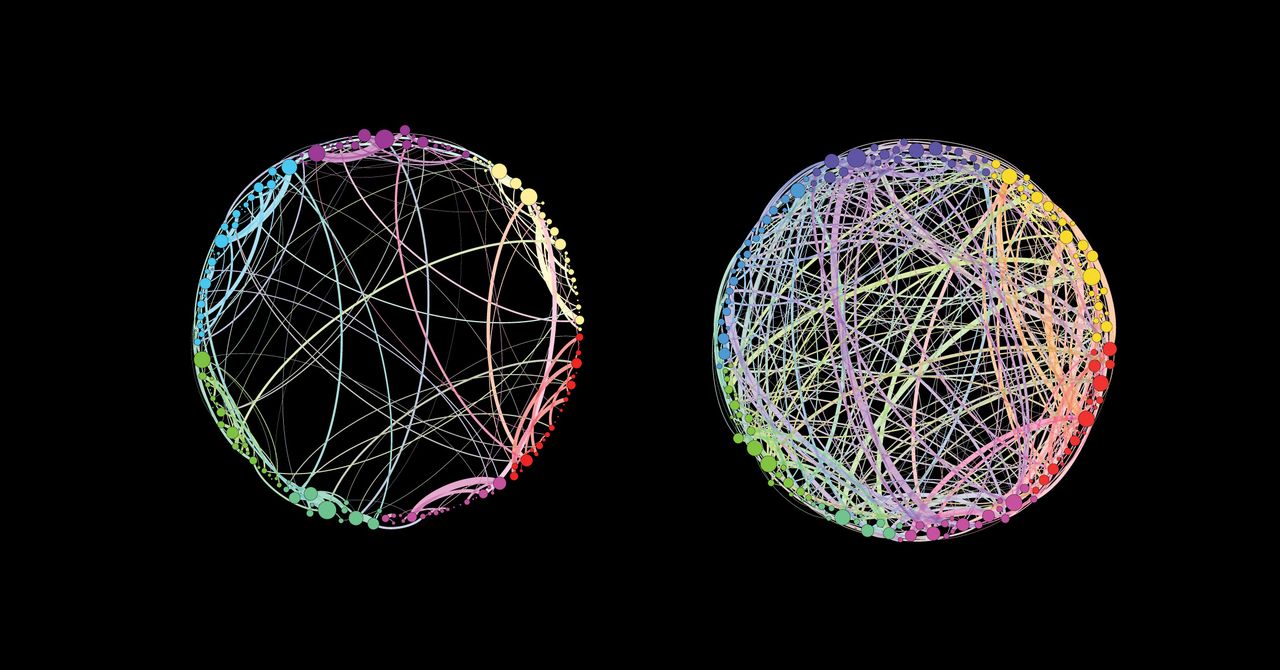
A recent crowdfunding initiative for a brain imaging study concluded on Monday, successfully raising nearly $80,000 for an innovative objective: obtaining the first functional magnetic resonance images of the brain while under the influence of LSD. The Beckley Foundation, a charitable trust based in the UK that supports research and awareness surrounding psychoactive substances, will allocate the funds to scan participants who have used the drug. Such is the dedication of individuals willing to contribute to scientific understanding.
It’s not surprising that researchers examining the effects of illegal substances often seek out unconventional supporters, or that many people are inclined to invest in visualizing the brain activity of volunteers experiencing altered states of consciousness. In recent years, this approach has gained traction among researchers across diverse fields. Successful crowdfunding campaigns have tackled topics such as drought resistance in various oak species, analyzed humor through mathematics, and sought to identify exoplanets in distant galaxies. While early crowdfunded experiments appeared on mainstream platforms like Kickstarter and Indiegogo, specialized sites like Petridish, Experiment, and Walacea now focus exclusively on scientific funding.
In the United States, the majority of scientific funding is traditionally sourced from government agencies, which disburse grants through various federal science, health, and defense programs. However, it is somewhat alarming that some researchers feel compelled to finance their work similarly to how others have raised money for quirky projects, such as a potato salad. This shift raises questions about whether the current grant system is fundamentally flawed, and if so, how to ensure that resources are directed toward genuine scientific advancements.
The movement toward seeking alternative funding isn’t particularly unusual. According to David Kaiser, a science historian at MIT, this trend in crowdfunding represents the latest “pendulum swing” in the financial landscape of scientific research. In earlier times, institutions like MIT relied heavily on student tuition and private philanthropic contributions. However, in 1919, facing diminishing philanthropic support, MIT devised a plan that permitted local corporations to sponsor specific labs and studies.
Critics voiced concerns that this approach compromised the independence of scientific inquiry. Yet, with the onset of World War II, the U.S. government emerged as a powerful engine of financial support, providing significant wartime grants to research institutions across the country. This trend of government involvement continued to expand in the post-war era.
Today, after several decades, this trend has reversed. As federal budgets tighten, investment in scientific inquiry has plummeted. According to Gail Bishop, an immunologist at the University of Iowa, the traditional structures for federal grant distribution were designed to ensure funding for 25 to 30 percent of studies, a figure that has now dwindled to approximately 10 percent.
This decline in funding opportunities is one reason why scientists like Bishop, who successfully financed a study on using new nanoparticles to combat cancer cells through a crowdfunding platform, have turned to this alternative method. The grant application process can sometimes feel arbitrary, leading to a bias toward less risky projects, says Bishop. Additionally, many grant applications require preliminary proof of concept for proposed research, creating hurdles for innovative studies. “It used to be that grant funding was available to carry out the research,” she reflects. “Now it feels as if you must conduct the research first to qualify for a grant.”