As we’ve observed with various startups, the modern approach often involves developing a plan, setting a financial target, launching an online fundraising campaign, and then waiting—optimistically—for the money to come in. The results have indeed been striking: 17 campaigns have surpassed the million-dollar threshold, with the crowdfunding platform amassing a total of $376 million in funding for nearly 34,000 projects over the past three years. Success stories like Pebble and Ouya have emerged from this space.
However, it’s crucial to recognize that crowdfunding may not be the panacea it appears to be. It won’t replace traditional investment dollars if you aren’t fully prepared to start delivering that groundbreaking product for which you are essentially collecting pre-orders.
The crowdfunding model often lacks substantial strategic value. If you already possess extensive knowledge about running a business or managing projects, it could suit you well. However, for those without experience as entrepreneurs or seasoned managers, this model provides little in terms of guidance for constructing a successful enterprise. Despite its allure of seemingly free money, the platform doesn’t adequately address the more challenging non-financial operational and execution hurdles that any startup, whether funded or not, has to face.
Take, for instance, the creators of the Pebble Watch. The company found itself overwhelmed by the sudden wave of funding and the complexities that come with catering to a diverse group of investors. Like many other projects, Pebble learned the hard way that manufacturing and timely delivery of a product can be extraordinarily complex, especially when the initial “customers” are the same investors who may have high expectations, numbering in the thousands.
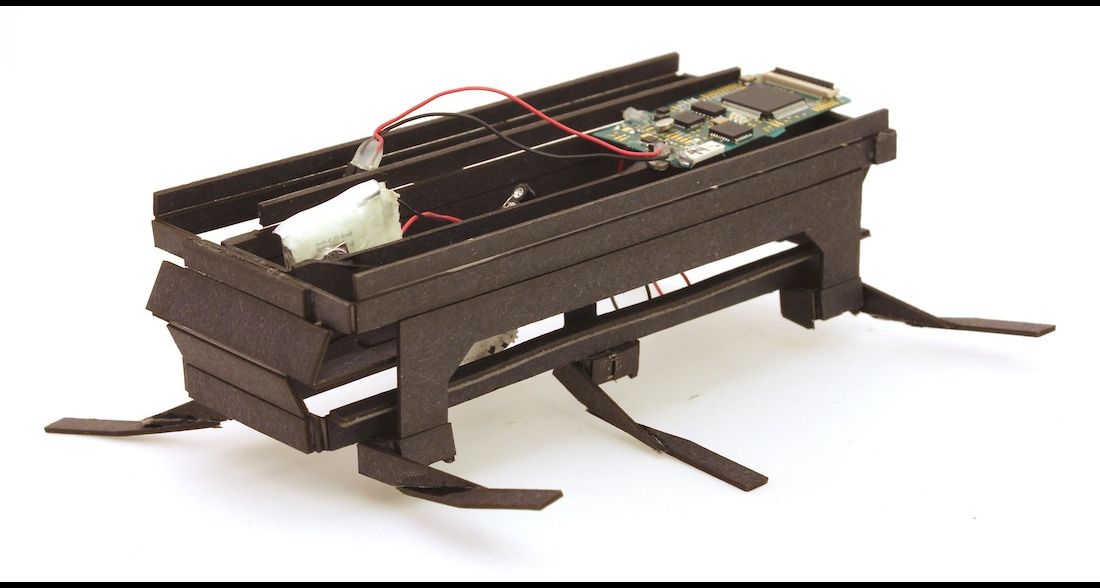
On the other hand, some companies, such as Dash Robotics, are beginning to embrace the idea of crowdfunding in a fresh and innovative way—viewing it as more than just a means of quick fundraising. The Dash Robotics team is focusing less on immediate profits and more on creating a community of enthusiastic customers.
Their strategy involves running a crowdfunding campaign this summer to gather funds for the production of their first 1,000 toy robots, priced between $35 and $50. However, the primary objective extends beyond mere fundraising. What’s truly valuable are the insights they can gain. They aim to understand the actual costs of designing, manufacturing, and delivering each robot, along with gathering user feedback on usability and features. This information will help them refine their product and potentially generate additional revenue through premium features.
For the founding team of Dash Robotics, the lessons learned during this process will not only enhance their skills as entrepreneurs but will also contribute to the overall development of their product and company, increasing their appeal for future investment opportunities.
A similar path was taken by Ouya, a startup in the video game console market, which successfully transitioned from raising funds through crowdfunding to securing a significant amount of venture capital. They raised $15 million from various investors after their initial crowdfunding success. Interestingly, even Pebble, which faced challenges with its crowdfunding campaign, recently announced a successful $15 million round of VC funding, indicating a potential trend.
As investors, we advise Dash to follow a similar trajectory—prioritizing valuable market feedback over merely boosting their funding. This approach could yield greater insights and enhance their chances of future commercial success.