In 2012, while hardware initiatives captured attention, film and gaming concepts—spanning both video games and board games—were the true champions of the crowdfunding platform, collectively raising an impressive $176 million.
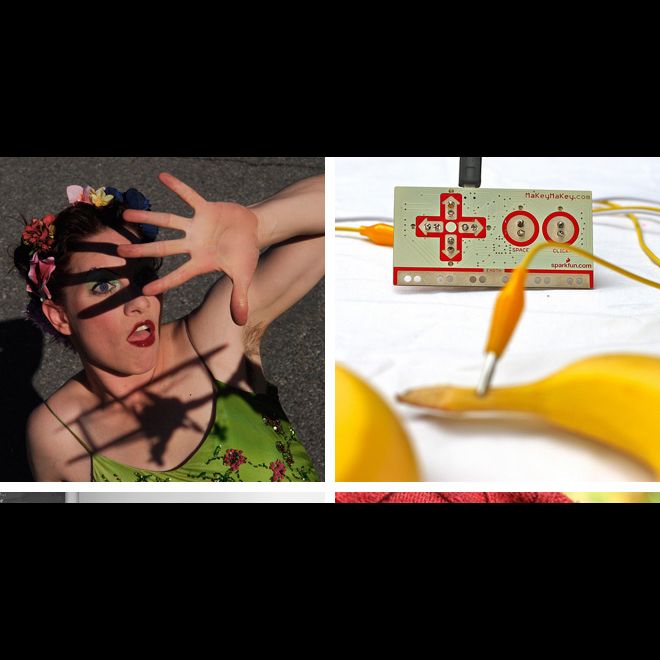
This figure is one of many insights released by Kickstarter on its fundraising activities throughout that year, which many consider pivotal in bringing the idea of crowdfunding into the mainstream. Over 2 million backers contributed a staggering $319 million towards various projects, ranging from solo comedy performances to innovative tech gadgets like iPhone-connected watches and even electronic banana pianos. This total represented an astounding increase of 221 percent compared to 2011, with the number of backers skyrocketing by 238 percent as well.
However, not every launched campaign found success; in fact, it became increasingly challenging as the year progressed—especially for hardware projects. This was both a result of Kickstarter’s own strategic choices and a growing wariness among the public regarding campaigns that featured enticing visual representations of products that never came to fruition. Out of 41,765 projects launched, only 18,109, or about 43 percent, achieved their objectives.
Among the various project types, gaming initiatives garnered the highest funding, totaling $83 million, largely due to the Ouya gaming console, which raised $8.6 million in August. Film and video projects captured nearly $58 million, securing the second-highest funding amount. Notably, 10 percent of the films showcased at the January 2012 Sundance Film Festival had gained support through this platform. Design projects, which included items like furniture, phone cases, and bike accessories, rounded out the top three with $50.1 million raised.
The standout project of that year was the Pebble watch, which achieved a stunning $10 million in funding during May. Interestingly, in Kickstarter’s presentation labeled “Best of 2012,” physical goods like the Pebble watch received little mention, with more emphasis placed on art and performance endeavors. This shift hinted at a growing fatigue regarding design and technology offerings, which had led to difficulties for the platform.
One of the primary issues was that a notable 84 percent of popular physical product campaigns faced delays, leading to widespread dissatisfaction among backers who mistakenly viewed their pledges as orders for products. Consequently, Kickstarter implemented stricter guidelines for campaigns in the design and technology categories, which represented the majority of non-food consumer products on the site.
Inventors are now required to provide images of actual working prototypes instead of relying solely on computer-generated designs and must clearly communicate the risks associated with their projects to potential backers. Even with adherence to these revised standards, the likelihood of gaining acceptance for a product has decreased. The company also articulated its stance through a blog post emphasizing that it isn’t a retail store and seems disinterested in tackling the complexities associated with high-stakes hardware campaigns.
The choices made regarding which projects to highlight in their annual review suggest a pivot in Kickstarter’s focus moving forward. Initiatives like a video game proposal and the XOXO Festival—the latter being one of the first major festivals funded on the platform—reflect the types of projects that the organization is keen to support.
While the Pebble watch may have made headlines, it’s unlikely we’ll see similar ventures thrive on Kickstarter in the future, especially with emerging crowdfunding platforms specializing in areas that Kickstarter seems reluctant to pursue.