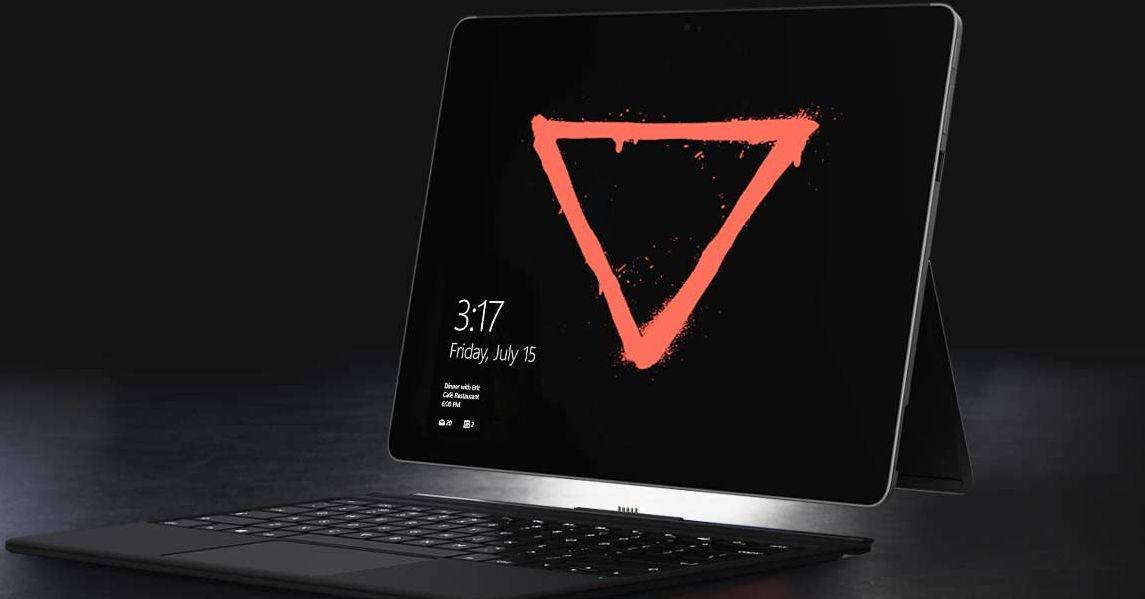
Karatsevidis feels a deep sense of gratitude towards the many members of Eve’s online community, whose contributions over the past 18 months were instrumental in shaping the development of a new product. The community helped dictate everything from the design to the specifications and even the name of the device. This unique approach to product development has turned into an intriguing experiment in crowd-sourcing. By allowing users to visualize their perfect gadget, Karatsevidis and his team aim to create a standout product that genuinely reflects consumer desires, all while catching the attention of major players in the tech industry.
The story of Eve’s inception dates back to 2012 when a teenage Karatsevidis crossed paths with Mikko Malhonen at a poker game. The two quickly discovered a mutual passion for technology and entrepreneurship. They drastically noticed a gap in the market—specifically, a lack of quality tablets beyond the iPad—and believed they could either improve or offer a more affordable alternative.
Initially, the duo turned to Alibaba in search of tablets they could modify and sell under their brand. This strategy explains why many consumer products look strikingly similar; numerous companies often use the same components sourced from Alibaba, add their branding, and introduce them to the market. However, Karatsevidis and Malhonen sought more control over the design and manufacturing process, which led to a trip to China, where Karatsevidis’s background in manufacturing proved invaluable.
At an electronics fair in Shenzhen, they located a manufacturer with a ready-to-go tablet design. After making some modifications, they branded the device as the T1 and launched it on their website for $159 in late 2014. Their project gained momentum with favorable press and constructive reviews, sending Eve on its way.
However, feedback regarding potential improvements to the T1 sparked an idea in Karatsevidis. He began to embrace this feedback loop actively and leverage insights before embarking on their next product development. While eager to innovate rather than simply repackage existing designs, they recognized the need for additional resources and partnerships to elevate the project.
Seeking guidance, the founders approached Microsoft’s Finland branch for advice. This connection led them to the Hong Kong Electronics Fair, a prominent gathering for suppliers and manufacturers. There, a chance encounter at a lavish dinner turned into a pivotal moment. Karatsevidis seized the opportunity to present his vision to an Intel executive, who initially dismissed the concept but eventually recognized its potential. This individual has since become a crucial mentor for Eve, helping them navigate the complex manufacturing landscape.
This crowdsourcing vision captured the attention of not only Intel and Microsoft, who both invested in the initiative, but also the Finnish government, which awarded Eve a grant. “What intrigues them is our ability to penetrate commoditized markets and achieve rapid growth through community involvement,” explains Karatsevidis. He believes that their youth and minimal requests for resources also work in their favor.