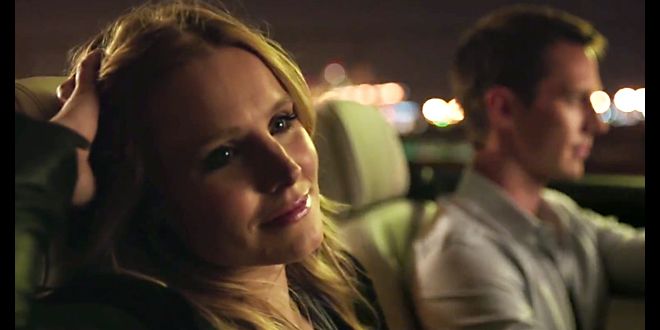
As contributions surged—over 46,000 pledges amounting to more than $3 million—the criticism also increased. While the success of the Veronica Mars initiative appeared to cater to the supporters of a cherished television show that was canceled too soon, Braff’s choice to crowdfund a film to retain creative control didn’t resonate well with everyone.
In an interview with the Los Angeles Times, Braff confessed that the backlash took him by surprise. "I guess I was a little naive about this coming in," he reflected. "I didn’t think that people would care that much about a little movie, which I was wrong about. But I can’t say I totally get it. It’s not like I’ve taken over crowdfunding."
Rob Thomas quipped, "If I’d gone on this platform and said, ‘Hey gang, I’ve got this brand new idea that I need $2 million to film,’ we would’ve heard the sound of crickets."
While Thomas popularized the concept of fundraising for projects directly from fans, Braff turned it into a David vs. Goliath discussion. This debate about whether emerging creators were being overshadowed by major projects reached a climax on July 22, when Spike Lee announced plans for The Newest Hottest Spike Lee Joint, seeking $1,250,000 through crowdfunding.
Producer Braxton Pope commented, "There is no question that all boats rise with the tide. With prominent creatives participating in this model, it brings attention to other projects that might not have received the same visibility." He had successfully raised $100,000 for his film The Canyons. "These platforms work best for independent projects that can’t secure traditional funding or, if they can, might lack the creative freedom to realize their vision fully."
The mounting criticism prompted the co-founders of the fundraising platform to publish a blog post titled "The Truth About Spike Lee and Crowdfunding," where they clarified the economic aspects of the model and the advantages of celebrity involvement.
"Fundraising is not a zero-sum game where projects compete for funds," they stated. "All initiatives benefit from the increasing visibility of a growing ecosystem." Their statistics illustrated this point, noting that 47% of those who supported Lee’s film were new users. They described the campaigns by Lee, Thomas, and Braff as a "windfall for creators," bringing thousands of new backers to the platform who subsequently funded over 6,000 additional projects.
By the end of 2013, the platform had successfully funded nearly 20,000 film initiatives, drawing in more than 3 million contributors and accumulating nearly $482 million in total pledges. While these figures were impressive, the executives emphasized that crowdfunding contributes to building cultural communities as much as it does to fundraising.
Justin Kazmark, a spokesperson for the platform, remarked, "The creative freedom and community spirit associated with bringing new ideas to life is something that appeals to both emerging and established artists. It allows creators to work on their own terms, foster community, and embrace creative risks. For supporters, it’s a meaningful connection to the stories behind the projects and a way to influence the cultural landscape they want."
As 2013 progressed, the achievements of Thomas, Braff, and Lee inspired other aspiring creators, such as Criminal Minds actor Shemar Moore. Last June, he launched an Indiegogo page for The Bounce Back, a romantic comedy in which he would star and produce, raising nearly $640,000 in under eight weeks. "The whole process was new to me," Moore shared. "I didn’t really know if we had a shot or how it worked. But then I began to see that this is the direction the film industry is heading, allowing you to control your content and tell the stories you want."
Crowdfunding has extended beyond films; in June, the band Toad the Wet Sprocket announced New Constellation, their first album in 16 years, with a $50,000 campaign. Two months later, they had exceeded their target by fivefold.