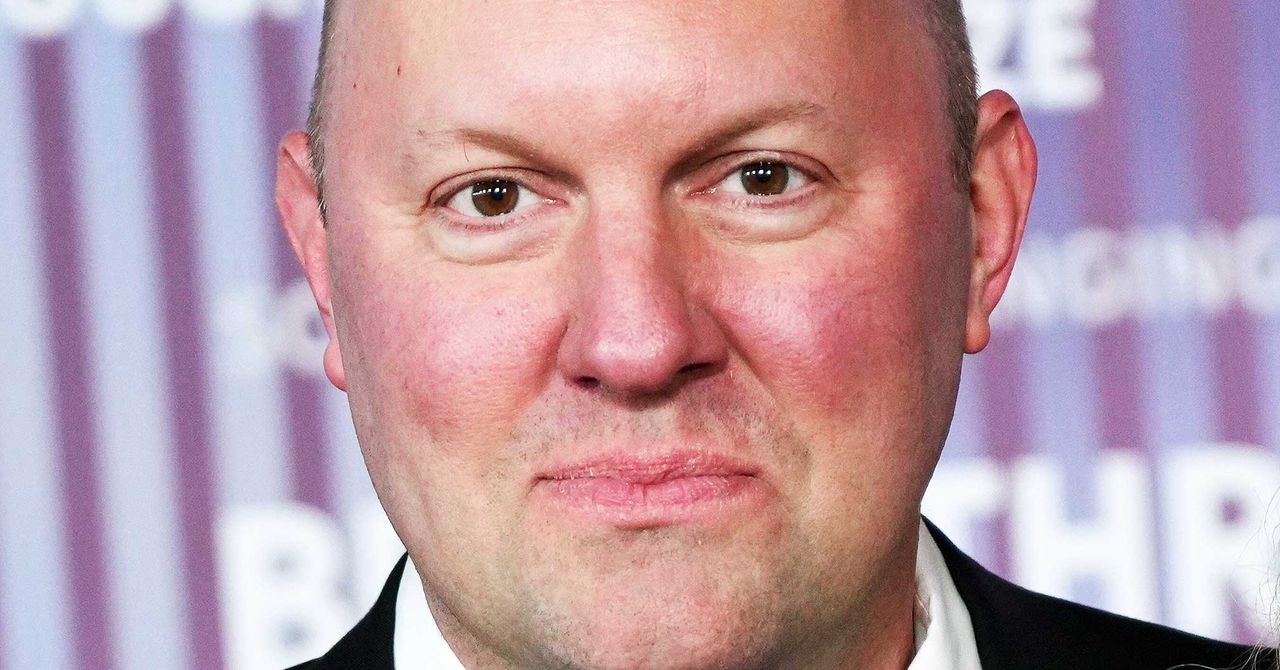
In his thought-provoking “Techno-Optimist Manifesto” released last year, venture capitalist Marc Andreessen identified various barriers to technological advancement. Among these were “tech ethics” and “trust and safety,” terms associated with online content moderation efforts that he claimed have contributed to a widespread “demoralization campaign” against emerging technologies like artificial intelligence.
Andreessen’s statements sparked both public and behind-the-scenes backlash from professionals in those areas—including at Meta, where he serves on the board. Critics argued that he misrepresented their efforts aimed at maintaining safer internet services.
Recently, Andreessen provided some clarification regarding his views on the online experiences of his young son. He expressed support for protective measures, stating, “I want him to have a Disneyland-like experience when he signs up for internet services,” during a conversation at a Stanford University conference on Human-Centered AI research. He emphasized his anticipation for his son to eventually enjoy an unfiltered internet but highlighted the importance of structured environments in the meantime.
Further dispelling misconceptions from his manifesto, Andreessen indicated that he supports tech companies—and their trust and safety teams—in establishing and enforcing guidelines for acceptable content on their platforms.
“There’s ample room for companies to set their own standards,” he explained. “Disney has different behavior expectations in Disneyland compared to the streets of Orlando.” He noted the legal repercussions tech firms can face for hosting harmful content, reinforcing the need for teams focused on trust and safety.
What type of content moderation does Andreessen view as detrimental to progress? He expressed concern about a handful of companies monopolizing online spaces and potentially “conjoining” with government entities to enforce widespread restrictions, which could lead to serious societal repercussions. He warned, “Pervasive censorship and controls could present a genuine dilemma.”
His proposed solution lies in fostering competition within the tech sector, advocating for a variety of content moderation methodologies, some of which impose stricter guidelines than others. “The dynamics on these platforms are significant,” he affirmed. “What occurs in these systems and companies truly matters.”
Andreessen refrained from mentioning X, the social platform overseen by Elon Musk, where his firm invested following Musk’s acquisition in late 2022. Musk subsequently reduced the company’s trust and safety workforce, relaxed moderation policies, and reinstated banned users.
These developments, combined with Andreessen’s investments and advocacy, suggested he endorsed minimal limitations on free speech. His clarifications emerged during a dialogue with Fei-Fei Li, co-director of Stanford’s HAI, which focused on “Removing Barriers to a Robust AI Innovative Ecosystem.”
During the session, Andreessen reiterated his stance that regulations or calls for caution regarding AI development echo the past U.S. withdrawal from investing in nuclear energy—a move he believes contributed to the failure to adequately address climate change. He described nuclear power as a potentially transformative solution to carbon emissions, lamenting the nation’s hesitance to embrace such innovation.
Andreessen argued for increased government investment in AI infrastructure and research, advocating for fewer restrictions regarding AI experimentation, including open-source models. If he desires his son to have an enriching experience with AI, some form of guidelines, whether propelled by governmental initiatives or trust and safety teams, could indeed be necessary.