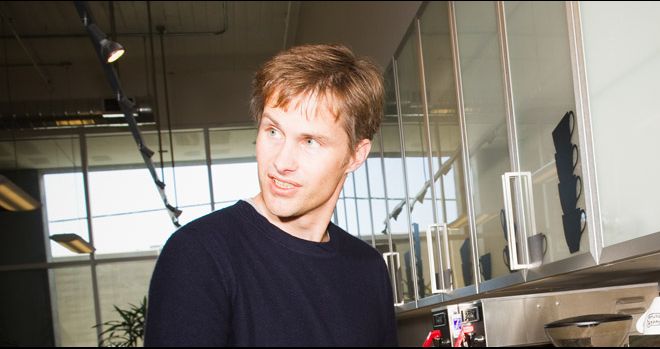
Kevin Hartz is taking a break from his usual angel-investing activities. While he is occupied in his role as CEO of online ticketing platform Eventbrite, his decision to refrain from investing is more about financial strategy than time constraints. Hartz is hesitant to allocate funds amidst the current financial climate in Silicon Valley, which is flooded with cash.
His most recent investment occurred over a year ago in a relatively unknown company called Pinterest, which has since gained considerable recognition. Hartz has also made early investments in notable companies such as Airbnb, Flixster, Palantir, Trulia, and Yammer. He is connected to the PayPal mafia, not as a former employee, but as an early supporter. Although he is continuing to fund existing ventures, he is holding off on new investments due to their inflated prices.
“We don’t know where we are in this cycle,” Hartz states from Eventbrite’s San Francisco headquarters. “We can’t know how much longer this influx of capital will persist, but I don’t want to be part of it. When I see a surge of new investors entering the scene, it feels like the right time to step back.”
Hartz observes that “the natural resources of the startup landscape are becoming increasingly scarce while costs continue to rise.” He does not use the term “bubble” lightly; for him, the situation is more nuanced, given his dual role as both investor and entrepreneur. Instead, he adopts a more cautious outlook on the startup ecosystem, particularly within the consumer internet sector, advising others to brace for potential downturns.
As an investor, Hartz identifies typical indicators of excess capital in the market—billboards advertising startups nobody knows about and abundant engineering job postings in tech-centric areas. He notes, “Everyone is vying for the same talent, the same real estate, the same support services. The limited resources of the startup world are evolving in tandem with increased capital availability.”
Despite a slight dip in venture capital investments in internet companies to $1.4 billion in the first quarter of 2012 compared to late 2011, there have been eight consecutive quarters of over $1 billion in funding, according to the National Venture Capital Association. This trend has led to numerous copycat businesses for each standout like Instagram or Dropbox.
Hartz mentions that this influx of funding often encourages inexperienced entrepreneurs to adopt unconventional approaches. He emphasizes, “That relentless competition paired with cash tends to train entrepreneurs to be more aggressive, often at the expense of measurable outcomes. Some can and should take risks, but they must have a knack for recognizing what truly drives business success.”
Hartz includes certain members of the PayPal alumni network in this discerning group, particularly noting Elon Musk of Tesla and SpaceX. “The PayPal veterans have a knack for understanding what fosters business success and tend to raise funds strategically during prosperous times, allowing them to expand ahead of any anticipated downturns.”
At Eventbrite, Hartz is heeding his own advice by raising $80 million to date but choosing to retain $58 million, preferring to manage the company prudently while maintaining steady growth. Though he remains a strong believer in the consumer internet space as an entrepreneur, as an investor, he is currently in a holding pattern.
“When the situation becomes dire and skepticism toward the consumer internet heightens,” Hartz concludes, “that’s when I’ll consider re-entering the investment landscape.”