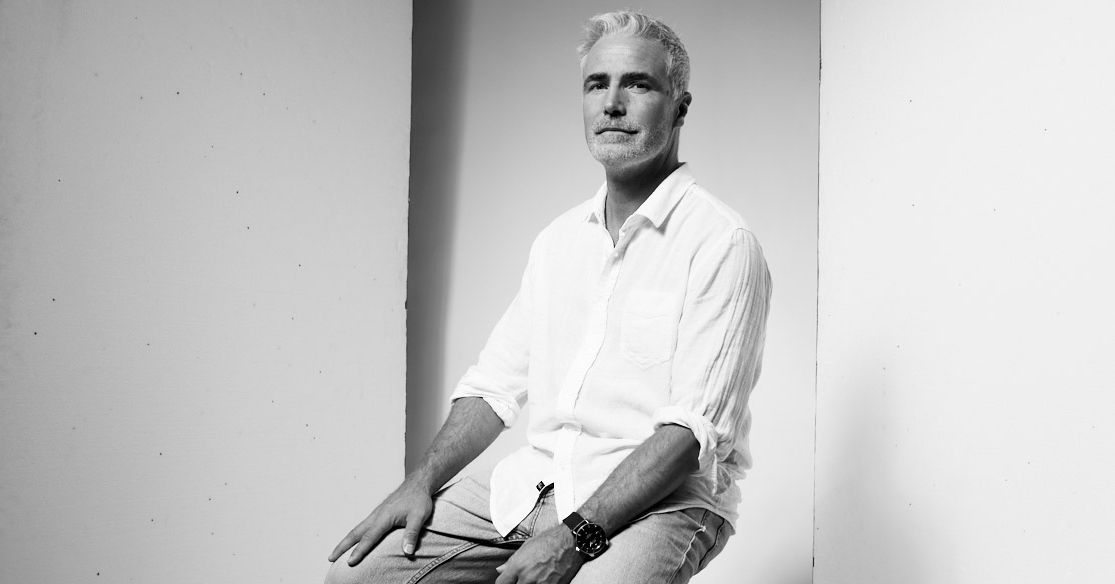
In May 2006, Stockholm became an unexpected battleground in the ongoing evolution of the music industry. The city’s law enforcement authorities targeted the Swedish file-sharing platform The Pirate Bay, seizing its web servers and briefly disrupting its operations. Meanwhile, an ambitious entrepreneur named Daniel Ek was on the verge of introducing Spotify to the world.
“This was a critical moment,” recalls Mattias Tengblad, who had just become the commercial director at a major music label in Sweden. “The industry seemed to be collapsing. Politicians were defending the youth for using The Pirate Bay, and it appeared the traditional model was coming to an end. Yet, within no time, Spotify had secured a million subscribers. In just a few years, the platform attracted 2 million users in Sweden, a country of 9 million.”
However, the narrative has shifted. What was once viewed as a revolutionary solution has become a source of discontent. By July 2022, a report from the UK Competition and Markets Authority indicated that artists achieving a million streams per month often earned only £12,000 (approximately $15,000) annually after the deductibles imposed by major labels. The current environment leaves artists with minimal control over their music release schedules, while still expecting them to invest significant effort in promoting themselves amid the 70,000 new releases that populate the platform daily. Artist Halsey expressed frustration with her label for preventing the release of her new music, stating, “I’ve sold over 165 million records. My record company is saying that I can’t release unless I fake a viral moment on TikTok.”
Tengblad, who once played in a moderately successful band, believes that Sweden may have the next innovative solution. As the co-founder and CEO of Corite—a collaborative platform enabling crowdfunding for new music releases—he aims to empower artists. With Corite, fans can invest in a share of each track’s profits, allowing artists to maintain creative control and receive a larger portion of the revenue generated from sales and streams. The platform charges only a 5 percent fee.
“To get signed traditionally, you typically need around 1 million streams a month and a strong social media presence,” Tengblad explains. “But at that stage, why not explore the potential of self-funding? You’ve already built a community and a following—that’s where Corite comes into play.”
Founded in 2019 in collaboration with industry veteran Emil Angervall, Corite has seen former major label artists like DJ Alan Walker join its ranks. Walker successfully raised $25,000 via Corite to fund his recent single “Unity,” which garnered over 4.1 million streams in its first month. Tengblad estimates that the track could generate approximately £6.3 million over the next five years, potentially offering early backers a return of five to ten times their initial investment.